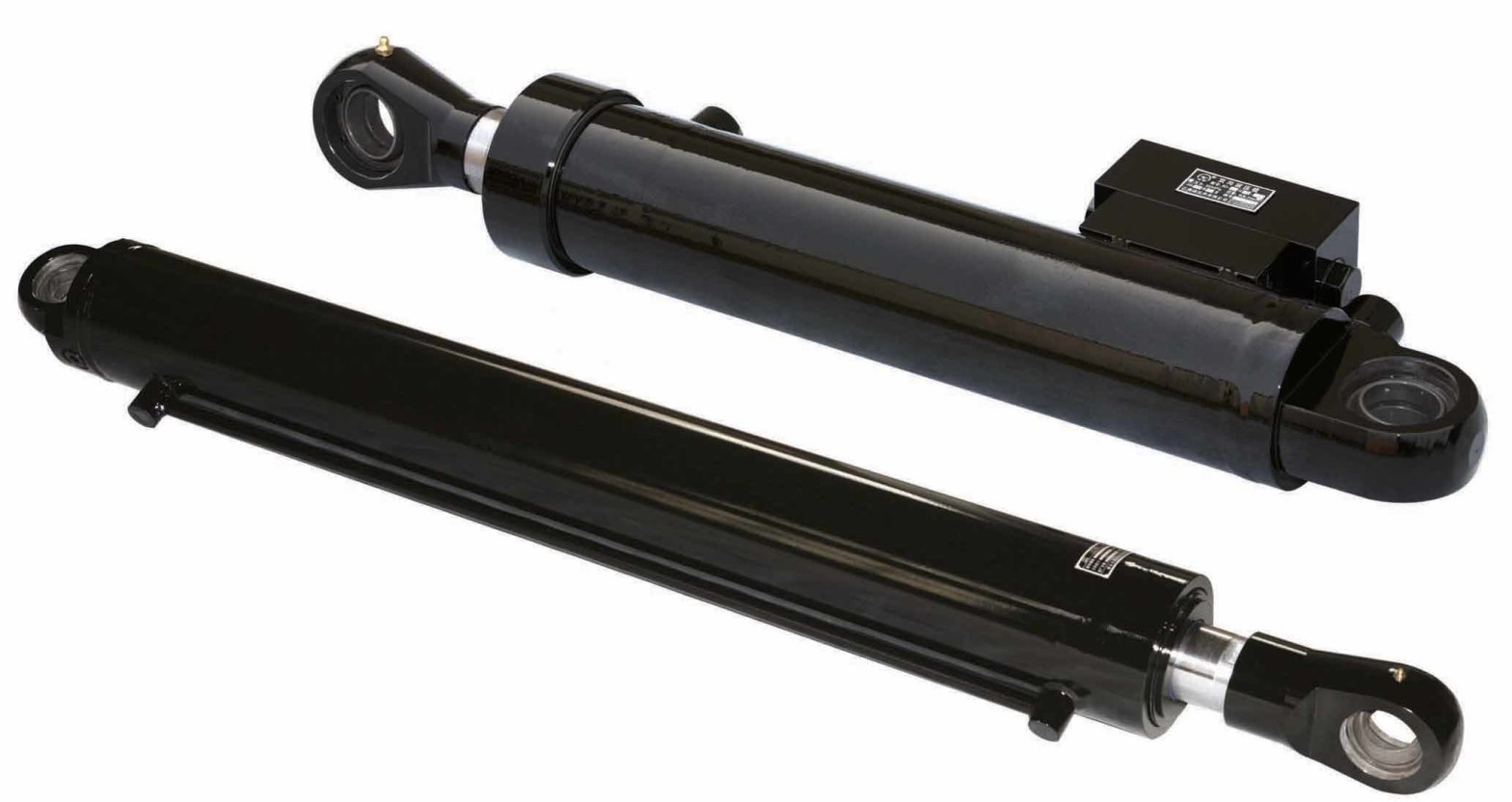
How Hydraulic Cylinders Enhance Performance in Industrial Applications

In the realm of industrial machinery, efficiency and precision are paramount. One crucial component that plays a significant role in achieving these goals is the hydraulic cylinder.

These powerful devices are ubiquitous in a wide range of industrial applications, from manufacturing and construction to agriculture and aerospace.

In this blog post, we’ll delve into the fascinating world of hydraulic cylinders in Australia and explore how they enhance performance in various industrial settings, revolutionising the way heavy-duty tasks are accomplished.

The Anatomy of Hydraulic Cylinders

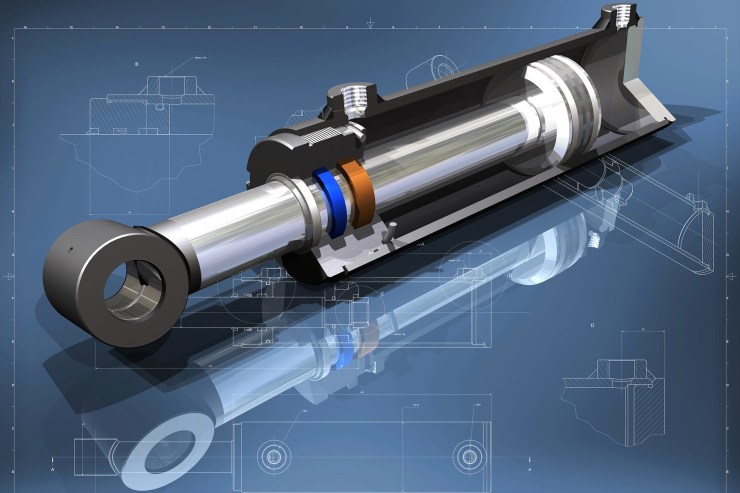
At the heart of hydraulic systems, hydraulic cylinders are mechanical actuators that generate linear motion through the use of hydraulic fluid.

Comprising a cylindrical barrel, piston, rod, and various seals, these robust devices convert the energy from the pressurised fluid into force and motion, making them indispensable for countless industrial processes.

Precision and Control

One of the most significant advantages of hydraulic cylinders in Australia is the unparalleled precision and control they offer in industrial operations.

Whether it’s lifting heavy loads, pushing, pulling, bending, or straightening materials, these cylinders provide smooth and controlled motion, allowing for finesse and accuracy in even the most demanding tasks.

This level of control is crucial in applications where consistency and precision are non-negotiable.

Power and Versatility

The power generated by hydraulic cylinders is truly awe-inspiring. With their ability to exert formidable force, these devices are capable of handling tasks that would be unattainable with other actuation methods.

From heavy lifting and pressing to powering machinery and equipment, their sheer strength makes them indispensable across diverse industrial sectors.

Furthermore, the versatility of these cylinders allows them to adapt to an array of challenging tasks, providing an adaptable and reliable solution in various environments.

Durability and Reliability

In the unforgiving landscape of industrial settings, equipment durability is crucial. Hydraulic cylinders are renowned for their robust construction and ability to withstand harsh conditions.
Hydraulic Cylinders

The materials used in their manufacture, coupled with meticulous engineering, result in devices that can endure high-temperature environments, heavy loads, and frequent operation without succumbing to wear and tear.

This durability translates into enhanced operational reliability, minimising downtime and maintenance costs.

Efficiency and Cost-Effectiveness

Efficiency is a cornerstone of industrial operations, and hydraulic cylinders excel in this regard.

By seamlessly converting hydraulic energy into mechanical force, these devices maximise energy utilisation, resulting in efficient and cost-effective performance.

Their exceptional power-to-size ratio and minimal energy loss during operation make them an economical choice for industrial applications, contributing to overall operational efficiency and reduced energy consumption.

Safety and Operator Well-Being

In industrial environments where heavy machinery and equipment are commonplace, safety is of paramount importance.

Hydraulic cylinders offer inherent safety advantages, such as stable and controlled motion, as well as overload protection features.

This not only safeguards the machinery and materials but also prioritises the well-being of operators and personnel working around these devices, further underscoring their significance in industrial settings.

Customisation and Adaptability

The adaptability of hydraulic cylinders is a key factor in their widespread use across diverse industrial applications.

Their design flexibility allows for customisation to suit specific operational requirements, whether it’s modifying stroke length, bore diameter, or mounting options.

This adaptability ensures that the cylinders can seamlessly integrate into existing systems and machinery, enhancing their functionality without the need for costly overhauls.

Environmental Considerations

In an era where environmental sustainability holds increasing importance, hydraulic cylinders are making strides in minimising their ecological impact.

Innovations in seal technologies, fluid selection, and overall system design are driving advancements that reduce hydraulic fluid leakage and consumption, contributing to greener industrial practices.

Future Innovations and Advancements

As technology continues to evolve, so do hydraulic cylinders. Ongoing developments in materials, manufacturing techniques, and integration with smart technologies promise to further enhance the capabilities of these devices in the industrial landscape.

From predictive maintenance and condition monitoring to improved energy efficiency, the future of hydraulic cylinders looks promising, offering even greater potential for performance optimisation in industrial applications.

Conclusion

In conclusion, hydraulic cylinders in Australia stand as fundamental assets in the industrial realm, elevating the performance, safety, and efficiency of a myriad of applications.

Their precision, power, durability, efficiency, and adaptability make them indispensable across manufacturing, construction, agriculture, and beyond.

With an eye to sustainability and ongoing technological progress, these robust devices are not only instrumental today but also hold tremendous promise for the future of industrial machinery and equipment.

Understanding the Role of Hydraulics Oil in Equipment Maintenance

Hydraulics oil is an essential component in the maintenance of various types of equipment, playing a critical role in ensuring optimal performance and longevity. It is imperative to understand the significance of using the right type of hydraulic oil for sale to maintain the efficiency and functionality of machinery in diverse industrial and commercial settings.

  • What is Hydraulics Oil?

Hydraulics oil, also known as hydraulic fluid, serves as a medium for power transmission in various types of machinery and equipment that utilise hydraulic systems. This specialised oil is designed to transfer power and manage the mechanical energy within hydraulic systems, enabling them to function effectively.

The characteristics that make hydraulics oil suitable for different types of machinery include its ability to withstand high pressures, lubricate moving parts, dissipate heat, and resist foaming and oxidation. These properties are crucial for ensuring the smooth and reliable operation of hydraulic equipment across industries.

  • Importance of Regular Maintenance

Regular maintenance of hydraulics oil is paramount for extending the lifespan of equipment and preventing costly downtime. Neglecting proper maintenance practices can lead to a range of issues, including increased wear and tear on components, reduced efficiency, and potential system failures.

By adhering to a comprehensive maintenance schedule that includes monitoring hydraulics oil levels, conducting regular fluid analysis, and addressing any signs of contamination or degradation, equipment operators can significantly enhance the performance and durability of their machinery.

  • Choosing the Right Hydraulics Oil

Selecting the appropriate hydraulics oil for specific equipment is a critical decision that can impact overall performance and reliability. Factors to consider when choosing hydraulics oil include the operating temperature range, viscosity requirements, and compatibility with seals and materials used in the hydraulic system.

Hydraulics Oil

Different types of machinery, such as excavators, loaders, and industrial presses, may require specific grades and viscosities of hydraulics oil to ensure optimal functionality and longevity. Therefore, it is essential to consult equipment manuals and industry standards to determine the most suitable hydraulics oil for each application.

  • Best Practices for Hydraulics Oil Management

Efficient management of hydraulics oil involves proper storage, handling, and dispensing practices to maintain its integrity and performance. Storing hydraulics oil in clean, sealed containers away from direct sunlight and contaminants is essential for preventing degradation.

Additionally, the use of dedicated dispensing equipment and filtration systems can help minimise the risk of contamination during oil transfer and refilling processes. Proactive management of hydraulics oil not only safeguards equipment from potential damage but also contributes to improved productivity and reduced maintenance costs in the long run.

Final Thoughts

The role of hydraulics oil in equipment maintenance cannot be overstated. By understanding the fundamental functions of hydraulics oil, prioritising regular maintenance, selecting the right oil for specific equipment, and implementing best practices for oil management, businesses, and individuals can ensure the smooth operation and extended lifespan of their machinery.

It is imperative to recognise the critical link between hydraulics oil and equipment performance and to take proactive measures to uphold the integrity of hydraulic systems for sustained productivity and efficiency.

Hydraulic Oil Change: When and How to Refresh Your System

Hydraulic systems play a crucial role in various industrial applications, powering heavy machinery and equipment. Regular maintenance, including timely hydraulic oil changes, is essential to ensure optimal performance and longevity.

Hydraulic oil is the lifeblood of these systems, providing lubrication, heat transfer, and hydraulic power transmission.

In this blog post, we will discuss when and how to refresh your hydraulic system’s oil, outlining the importance of proper maintenance, the signs that indicate an oil change is needed, and the steps involved in the process. Properly maintaining your Hydraulics Oil Australia will help extend the lifespan of your equipment and enhance its performance.

The Importance of Regular Hydraulic Oil Changes

Over time, hydraulic oil can become contaminated with particles, moisture, and debris, leading to decreased system efficiency and increased wear on components. Regular hydraulic oil changes are essential to remove these contaminants and ensure the system’s smooth operation. Fresh hydraulic oil provides optimal lubrication, reducing friction and preventing component damage. Regular oil changes also prevent the formation of harmful sludge and varnish, which can clog filters, restrict flow, and reduce the system’s overall performance. By adhering to a scheduled oil change routine, you can maintain your hydraulic system’s integrity and avoid costly repairs.

Hydraulics Oil Australia

Signs That It’s Time for an Oil Change

Sure signs indicate the need for a hydraulic oil change. These include decreased system performance, increased fluid temperature, unusual noises, and the appearance of particles or cloudiness in the oil. If you notice a drop in operating speed, decreased lifting capacity, or erratic movements from your equipment, it may be time for an oil change. Elevated fluid temperature can indicate that degraded oil no longer effectively dissipates heat.

Unusual noises like whining or grinding may indicate inadequate lubrication due to contaminated or degraded Hydraulic Pumps. Regularly inspecting the oil for particles or cloudiness can also alert you to the need for an oil change.

  1. Steps for Refreshing Hydraulic Oil: When it’s time to change your hydraulics oil in Australia, follow these steps to ensure a successful refresh:
  2. Drain the old oil: Begin by draining the old oil from the hydraulic system. This can be done by locating the drain plug or valve on the reservoir and allowing the oil to flow into a suitable container.
  3. Remove contaminants: Thoroughly clean the reservoir and any filters or screens to remove any impurities that may have accumulated.
  4. Choose the right hydraulic oil: Select a suitable hydraulic oil that meets the required specifications for your equipment and operating conditions.
  5. Refill the system: Pour the new hydraulic oil into the reservoir, ensuring it reaches the appropriate level indicated by the equipment’s user manual.
  6. Check system operation: After the refill, run the hydraulic system briefly to circulate the oil and check for any leaks or abnormalities.

Recommended Maintenance Practices

To ensure the longevity and optimal performance of your hydraulic system, it is recommended to incorporate good maintenance practices:

  • Regularly monitor the condition of your hydraulic oil, checking for discolouration, particles, or cloudiness.
  • Maintain cleanliness by regularly cleaning the reservoir and replacing filters.
  • Schedule oil changes based on the manufacturer’s recommendations or after prolonged heavy use.
  • Follow proper handling and storage practices for hydraulic oil.
  • Consider using oil analysis services to assess oil condition and determine the need for an oil change.

Conclusion

Regular hydraulic oil changes are crucial for maintaining the performance and longevity of your hydraulic system. By promptly addressing signs that indicate the need for an oil change and adhering to a scheduled maintenance routine, you can prevent system failures, reduce downtime, and extend the lifespan of your equipment. The process of refreshing hydraulics oil Australia involves draining the old oil, removing contaminants, selecting suitable new oil, and refilling the system. Following these steps and incorporating recommended maintenance practices can keep your hydraulic system running smoothly and maximise its efficiency and productivity.

Source – https://hydrauliccylindersaus.blogspot.com/2023/10/hydraulic-oil-change-when-and-how-to.html

How Hydraulic Filters Impact Equipment Reliability?

In the world of machinery and equipment, where precision and efficiency are paramount, the role of hydraulic filters cannot be overstated. These unassuming components play a critical role in maintaining the reliability and longevity of hydraulic systems. From construction equipment to industrial machinery, the Best Hydraulic Filters guard against contamination and ensure the smooth operation of hydraulic systems.

How hydraulic filters impact equipment reliability and why their proper maintenance is essential:

Contamination: The Silent Threat

Hydraulic systems operate under high pressure, utilising fluids to transmit power and perform various tasks. However, these systems are susceptible to contamination from particles such as dirt, debris, metal shavings, and even moisture. The presence of contaminants can lead to accelerated wear and tear, decreased performance, and even catastrophic failures in equipment. This is where hydraulic filters come into play.

  1. Contaminant Removal

Hydraulic filters are designed to trap and remove contaminants from Hydraulic Oil before they enter crucial components of the system. By capturing particles as small as a few micrometres, these filters prevent them from circulating through the system and causing damage. Contaminant-free fluid ensures smoother operation, reduces component wear, and extends the overall lifespan of equipment.

  1. Maintaining Fluid Purity

Clean hydraulic fluid is vital for efficient operation. Filters help maintain the purity of the fluid by trapping particles and preventing them from circulating within the system. Clean fluid ensures that valves, pumps, and other components function optimally, reducing the risk of overheating, leaks, and downtime.

  1. Protecting Seals and O-rings

Hydraulic systems rely on various seals and O-rings to prevent fluid leakage and maintain pressure. Contaminated fluid can compromise the integrity of these seals, leading to leaks and reduced performance. The best hydraulic filters safeguard these crucial components by preventing particles from reaching and damaging them.

  1. Improved Performance and Efficiency

When hydraulic systems are free from contaminants, they can operate at their peak efficiency. Clean hydraulic fluid facilitates smooth movement of components, optimal pressure control, and accurate response to commands. This directly translates to improved performance, better energy efficiency, and higher productivity.

  1. Preventing Component Wear

Particles circulating within a hydraulic system can act as abrasive agents, causing premature wear on components such as pumps, cylinders, and valves. By capturing these particles, hydraulic filters prevent unnecessary wear and extend the life of these critical components.

  1. Minimising Downtime

Equipment downtime due to hydraulic system failures can be costly and disruptive. Regularly changing and maintaining hydraulic filters can significantly reduce the risk of unexpected breakdowns. Proactive filter maintenance prevents contaminants from causing system failures and minimises the need for unscheduled repairs.

  1. Long-Term Cost Savings

While hydraulic filters require an investment, the long-term cost savings they provide are substantial. By protecting components from wear, reducing the likelihood of system failures, and extending equipment life, hydraulic filters contribute to lower maintenance and replacement costs over time.

  1. Tailored Filter Solutions

Different hydraulic systems have unique requirements based on factors such as operating conditions, fluid viscosity, and contamination levels. Hydraulic filters come in various types, sizes, and materials, allowing operators to select the most appropriate filter for their specific needs. This ensures that the filter effectively addresses the contaminants present in the system.

Conclusion

The best hydraulic filters play an indispensable role in preserving equipment reliability and performance. They serve as the first line of defence against contamination, ensuring that hydraulic systems operate smoothly and efficiently. By preventing contaminants from causing damage, hydraulic filters extend the lifespan of components, reduce maintenance costs, and minimise downtime.

As industries continue to rely on hydraulic systems for their operations, maintaining proper hydraulic filter maintenance and replacement schedules is not just good practice—it’s a fundamental necessity for equipment reliability and productivity.

Source – https://hyspec.odoo.com/blog/our-blog-1/how-hydraulic-filters-impact-equipment-reliability-2

How Hydraulic Power Packs Drive Advancements In Various Industries?

In the realm of industrial machinery, there is a silent powerhouse that plays a vital role in driving advancements across various industries: hydraulic power packs. These robust systems provide the muscle behind countless machines, enabling them to perform heavy-duty tasks with precision and efficiency.

In this blog post, we will explore how Hydraulic Power Units have revolutionised different sectors, from manufacturing to construction, and how their exceptional capabilities have propelled innovation to new heights.

Hydraulic System at different Sectors:

  1. Enhancing Manufacturing Processes

Hydraulic power packs have become an indispensable component in modern manufacturing facilities. With their ability to generate immense force and control movements precisely, these power packs are key players in assembly lines and production processes.

They enable automated systems to lift, position, and manipulate heavy objects with ease, reducing manual labour and increasing productivity.

Whether it’s in automotive factories, steel mills, or even food processing plants, hydraulic power packs streamline operations, resulting in faster production cycles and improved quality control.

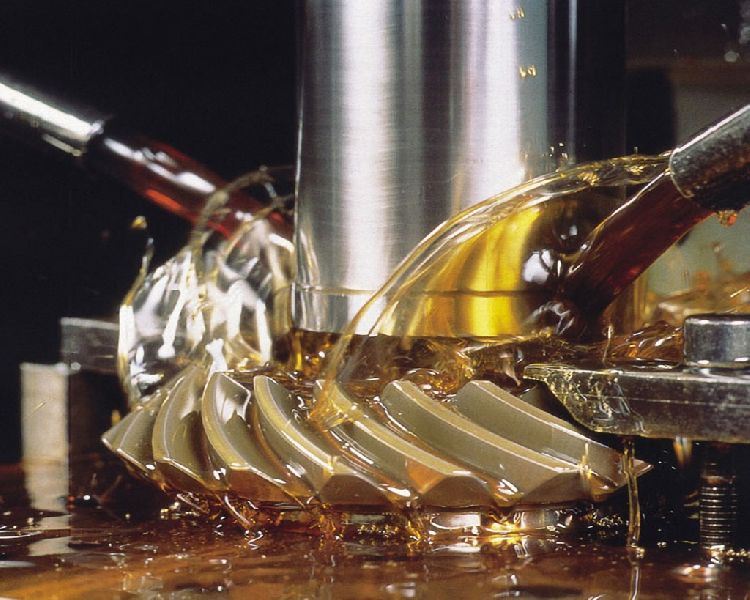
automatic lathe cuts the groove for detail cutter

  1. Empowering Construction Machinery

The construction industry heavily relies on hydraulic power packs to drive heavy machinery such as excavators, cranes, and bulldozers. These power packs provide the necessary force to lift heavy loads, dig deep foundations, and perform various earthmoving tasks.

By utilising hydraulic power, construction equipment achieves remarkable strength and precision, allowing engineers and operators to tackle complex projects efficiently.

The use of hydraulic power packs ensures that construction sites can complete tasks swiftly, enhancing overall project timelines and reducing costs.

  1. Enabling Efficient Material Handling

Hydraulic power packs have also revolutionised material handling operations in industries such as logistics, warehousing, and transportation.

Forklifts and other lifting equipment powered by hydraulic systems can effortlessly lift and transport heavy loads, streamlining the movement of goods within facilities.

The precision and control offered by hydraulic power packs ensure safe handling and reduce the risk of accidents, improving workplace safety while optimising operational efficiency.

  1. Advancing Aerospace Technology

The aerospace industry requires machinery and equipment that can withstand extreme conditions while providing high levels of precision. Hydraulic power packs play a crucial role in powering aerospace technologies, including flight simulators, hydraulic actuators, and landing gear systems.

These power packs enable the precise control of aircraft components, contributing to safe and reliable operation.

The efficiency and reliability of hydraulic power packs in aerospace applications have paved the way for advancements in aircraft design, leading to more sophisticated and efficient flying machines.

  1. Revolutionising Renewable Energy

In the pursuit of sustainable energy sources, hydraulic power packs have emerged as key components in renewable energy systems. Hydraulic systems are utilised in technologies such as hydroelectric power plants and wind turbine pitch control systems.

Hydraulic Filters facilitate the control and movement of equipment, allowing efficient energy generation from renewable sources.

By harnessing the power of water or wind with hydraulic systems, we can reduce our reliance on fossil fuels and promote a cleaner, greener future.

Conclusion

Hydraulic power packs are the unsung heroes behind the scenes, driving advancements in a wide range of industries.

With their ability to provide immense force, precise control, and reliable operation, hydraulic power packs have transformed the way we build, produce, and power our world.

As technology continues to evolve, we can expect hydraulic power packs to play an increasingly vital role in shaping the future of various industries, enabling us to achieve greater feats of engineering and efficiency.

Source – https://hyspecaustralia.godaddysites.com/f/how-hydraulic-power-packs-drive-advancements-in-various-industrie

The Top Signs Your Hydraulic Cylinder Needs Repair

Hydraulic cylinders are one of the most important parts of any machine, especially those that rely heavily on hydraulics. But even if you don’t use them in your daily life, they’re still pretty important! Without them, it would be impossible to lift heavy objects or move around heavy machinery easily.

As such, it’s very important to know what can go wrong with a Hydraulic Cylinder Repair and how to fix it when something does go wrong.

Here are some signs that your hydraulic cylinder could need professional Hydraulic Cylinder Repair service:

Slow or Uneven Cylinder Movement

If your hydraulic cylinder is moving slowly or unevenly, it could be due to a faulty cylinder, a faulty rod, or a faulty piston. The first step in troubleshooting this issue is checking the rod for damage and wear.

If it’s damaged or worn down too much, it will not be able to transfer force as efficiently as intended. This means that when you apply pressure to your machine (such as pressing down on an elevator button), it won’t go down smoothly–or at all!

Hydraulic Cylinder au

The next thing you should do is check out the piston inside of your hydraulic system. If there are any cracks or dents in this part of the machine’s anatomy, then there’s no way for fluid to flow through them properly; you have to contact a professional Hydraulic Cylinder Repair company to fix them as soon as possible.

Fluid Leaks or Loss of Hydraulic Pressure

If you have a hydraulic cylinder, it is important to know the signs that your hydraulic cylinder needs repair. One of the most common problems with a Hydraulic Power Units System is leaking fluid. This can happen for many reasons and can lead to some serious issues if left unchecked.

Hydraulic fluid is what powers your cylinders and allows them to operate correctly, so losing this fluid will cause them to fail.

If you notice that there are leaks in your system or that it seems like something isn’t right with how they’re operating, then it would be best if you had them repaired immediately before any further damage occurs!

Excessive Noise or Vibrations

If you hear excessive noise or vibrations coming from your hydraulic cylinder, it could be caused by a number of factors. If the noise is coming from inside the cylinder itself, it’s likely that there’s something wrong with either the piston or rod.

If you notice excessive pump vibration while operating your equipment and it becomes more pronounced as time passes, this may indicate that one or more seals need replacing or an adjustment needs to be made to reduce friction between moving parts within the pump assembly.

Increased Friction or Sticking Movements

If your hydraulic cylinder is experiencing increased friction or sticking movements, it may be time to consider a repair. This can be caused by a number of things, but the most common reason for this issue is a worn piston seal.

If your seal has worn out and become too thin, it will allow oil to leak out of the piston chamber and into the rest of your system–which means that there won’t be enough lubrication for smooth operation. The best way to fix this problem is by replacing any damaged seals as soon as possible!

Conclusion

If your hydraulic cylinder is not working properly, it could be due to a number of different issues. The best way to know what’s wrong with it is by having it inspected by a professional Hydraulic Cylinder Repair company that can analyse the issue and come up with a solution that works best for your needs.

Source – https://hyspecaustralia.godaddysites.com/f/the-top-signs-your-hydraulic-cylinder-needs-repair

Discover Different Types of Hydraulic Pumps for Different Applications

Hydraulic pumps are used in a wide variety of applications. They are used to pump fluids, mostly liquids and gases, but they can also be used to move solids if the application requires it.

They use rotary or reciprocating motion to produce a pressure or suction force that forces fluid through pipes, hoses, and other conduits.

Let’s read the article to know its different types.

  1. Gear Pumps

You can use gear pumps to transport large volumes of oil at high pressures. They are commonly used in Hydraulic Pump Systems, but they’re also used in industrial applications and even as part of the powertrain on some cars.

Gear pumps work by using a gear mechanism to move fluid from one chamber to another. The gears are driven by an external motor that turns a shaft connected to them; this motion is then transferred through gears or other mechanisms (such as push rods) into rotation inside the pump housing itself, which causes fluid flow through ports in its housing walls.

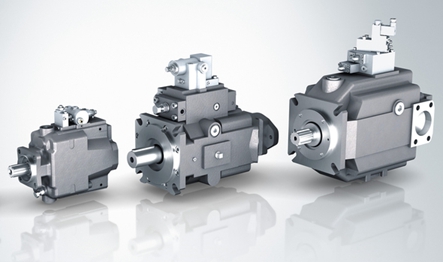
Hydraulic Pumps

  1. Piston Pumps

Piston pumps are a popular choice for high-pressure applications. They work by pumping fluid through a piston, which compresses or expands to move the fluid through the system. This type of pump is ideal for Hydraulic Filters Suppliers Systems because they can handle large amounts of pressure with ease and have few moving parts that could break down over time.

  1. Vane Pumps

Vane pumps are used to pump incompressible fluids, such as water and oil. They have a high-pressure capacity, high flow rate and low power consumption. They’re also used in industrial applications because they can transfer large amounts of material with little effort.

Vane pumps work by forcing fluid through a series of rotating vanes that push against each other as they turn at high speeds. The faster they spin, the greater amount available for pumping; this means vane pumps can handle both large volumes and high pressures without any problems!

  1. Transmission Pumps

Transmission pumps are used to transfer fluids from one location to another. They are usually used in industrial applications, but can also be found in domestic settings. Transmission pumps can be categorised based on their design and usage.

  1. Screw Pumps

These hydraulic pumps use a helical screw to move the fluid through the pump. The screw is turned by an external rotating part (such as a motor), which causes it to rotate and push the liquid out of its chamber; this results in a continuous flow of material being transferred through your system!

This type of mechanical transmission device is commonly found within many different industries including chemical processing plants or wastewater treatment facilities but they’re also frequently used by homeowners.

Conclusion

Hydraulic pumps are used in a wide variety of applications. The main difference between them is the type of fluid they can transport and their construction. Gear pumps, Piston pumps, Vane pumps, and Transmission pumps have different uses and offer their creditability to the applications.

Key Benefits Of Investing In High-Quality Hydraulic Solenoid Valves

Hydraulic solenoid valves are widely used in industrial applications and hydraulic systems. They are designed to control the flow of liquids and gases, and they are available in a variety of styles and designs. Best Quality Hydraulic Solenoid Valves can be used for various functions, including pressure regulation or fluid control. They allow you to control the flow of liquid or gas using electrical power instead of mechanical power.

The main advantage of using these valves is that they require lower operating pressures than conventional valves since no mechanical parts must be moved by pistons or springs during operation. This allows them to operate smoothly over long periods without wearing out prematurely as other types such as ball check valves would do over time from constant use on heavy loads…

Hydraulic solenoid valves are used in a wide range of applications

Hydraulic solenoid valves are used in a wide range of applications. They are used in applications such as:

  • Mining equipment, such as loaders and excavators
  • Construction equipment, such as bulldozers and cranes
  • Automotive and marine equipment, such as forklifts or boats with outboard motors
  • Agricultural equipment like tractors or combine harvesters

Important note: It’s important to note that some hydraulic solenoid valves have different names depending on the industry they’re being used for (for example, a “pressure relief valve” is sometimes called a “relief valve”). Always check your model number before ordering to make sure you get the right part!

They are available in a variety of materials, shapes and sizes.

Hydraulic solenoid valves are available in a variety of materials, shapes and sizes. They can be made from brass or steel, depending on your application. For example, if you need a high-pressure valve that will be exposed to harsh conditions such as heat or pressure then it would be best to purchase one made from brass. If you need something more economical and less durable then steel would be better suited for your needs.

Additionally, there are many different Types of Hydraulic Pumps available; some are straight while others come with an angled end cap which allows them to fit into tight spaces better than other models on the market today!

They are made to last for many years.

Hydraulic solenoid valves are constructed from durable materials, such as stainless steel and brass. The metal parts are designed to last for many years with minimal maintenance required.

The size of a hydraulic solenoid valve is determined by its diameter, which is measured in millimeters (mm). The larger the diameter of the valve, the more pressure it can handle without leaking or breaking down under pressure.

They come with several different types of designs and mounting options.

Hydraulic solenoid valves can be purchased in a variety of designs, including single-acting and double-acting. A single-acting valve is one that opens when pressure is applied to it from the inside of its chamber. Conversely, a double-acting valve opens when there is pressure applied both from the inside and outside of its chamber.

Another important feature you should look for in your hydraulic solenoid valves is whether they are pressure-balanced or pressure-balancing. Pressure balancing means that there will always be equal amounts of force on both sides of each piston at all times–no matter how much fluid flows through them–which results in better stability and control over fluid flow rates as well as faster response times when compared with non-pressure balanced designs (like those used by many other types).

You may also want consider purchasing non-pressure versus pressure designs; these two options refer simply whether or not there will be any type of external source providing power directly into this particular component while being operated manually by someone using either hand controls or remote controls respectively.

Conclusion

Hydraulic solenoid valves are a great investment for any business. Best Quality Hydraulic Solenoid Valves can help improve your productivity, reduce downtime and enhance safety. These benefits will make your business more profitable and productive over time, which is why they’re such an important product to invest in today.

Source – https://hyspecaustralia.godaddysites.com/f/key-benefits-of-investing-in-high-quality-hydraulic-solenoid-valv

The Impact Of Temperature On Hydraulic Oil Performance

Hydraulic oil is a crucial part of many applications. It helps to provide power, control, and lubrication in pumps and motors.

The performance of this fluid depends heavily on its chemical composition and viscosity, but it can also be affected by the temperature at which the fluid is being used. In this article, we’ll discuss some of the ways that temperature affects hydraulic oil performance.

Explanations of to choose the right system for your application:

Temperature

The viscosity of Best Quality Hydraulic Oil decreases with increasing temperature. This is because as the temperature increases, the molecules in the fluid become more energetic and move faster. As they move faster, they are able to spread out more widely and occupy more space than before; this results in a less intermolecular attraction between them (therefore less viscous drag), which means that your hydraulic system will flow better at higher temperatures.

Best Quality Hydraulic Oil

Pressure

The higher the temperature, the higher will be the pressure and vice versa. This is because of the viscosity and/or density of oil do not change with pressure.

If you leave your car idling for a long time, the temperature of the engine will increase. The pressure of the oil inside the engine will also rise due to this increase in temperature. This is because there is no airflow through the cylinder head or valve cover where it can be cooled by outside air.

The difference in pressure between the inside and outside of the cylinder head or valve cover is called a “vacuum leak”. This is because there is no airflow through these parts, so they act like a vacuum pumps.

If there is a vacuum leak, the pressure of the oil inside the engine will increase due to this increase in temperature. This is because there is no airflow through the Hydraulic Cylinders head or valve cover where it can be cooled by outside air.

Viscosity

The viscosity of an oil is the resistance to flow. It’s a function of temperature, pressure and contamination. In general, as the temperature increases so does the viscosity; however there are some exceptions).

As you may know from your science classes in school, if you put water into a pot on the stovetop and turn up the heat until it boils; at first there will be very little movement but as soon as it reaches its boiling point then bubbles start forming and rising up through your liquid until all of them are gone from sight — this process is called evaporation because it involves changing state from liquid to gas without passing through any intermediate states such as vapor or steam.

Conclusion

In conclusion, it is important to understand the impact of temperature on hydraulic oil performance. The viscosity, shear strength and pressure characteristics can all be affected by heat. This can lead to premature failure or even accidents if not addressed properly by an experienced technician who understands how these properties change at different temperatures.

What Are The Different Types Of Hydraulic Cylinders?

Hydraulic Cylinders are used for a variety of applications and have many uses in the field of industrial automation. They are used to perform a number of functions, including pressing or moving heavy objects, holding an object in place, and transferring energy between two points with great accuracy. Agricultural Hydraulic Cylinders consist of three main components: a piston rod, piston head or barrel and a tube body that contains hydraulic fluid under pressure.

The hydraulic cylinder is also known as hydraulic actuators which are controlled by the application of pressure into them by means of an external pump that pushes the fluid through the system.

Single-acting hydraulic cylinder

Single-acting hydraulic cylinders are used to extend or retract a rod. These cylinders apply force in only one direction, so they are often referred to as unidirectional. If you have ever seen a hydraulic jack being used, then you’ve seen this type of Agricultural Hydraulic Cylinders in action.

The jack is used to lift heavy objects by applying force on the shaft of the jack, which causes it to extend upwards and raise whatever object it is attached to.

Agricultural Hydraulic Cylinders

In addition to their use in jacks, single-acting cylinders can be found on excavators and on construction sites all over the world. They are also commonly used on farm equipment such as tractors and harvesters because they allow farmers complete control over their equipment while maintaining maximum efficiency throughout every season of farming.

Double-acting hydraulic cylinders

Double-acting hydraulic cylinders enable a greater range of motion than single-acting cylinders. They are capable of lifting and lowering, pushing, and pulling. These cylinders are larger than single-acting cylinders, but they also have more fluid in them. This means that you don’t need as much pressure from your pump to get the job done!

One last thing to note about double-acting hydraulic cylinders: their bore is larger as well! The larger bore allows for a greater amount of force to be transferred through the cylinder with every stroke.

Non-differential cylinder

The non-differential cylinder is a simple hydraulic cylinder that has only one piston rod and no internal valves. It uses fluid to push against the piston and move it in a straight line. This type of hydraulic cylinder is often used for agricultural applications, where power needs vary widely depending on the task at hand.

As an example, consider the lifting of hay bales from a truck onto a wagon—in this case, it’s important to be able to stop quickly if something goes wrong so that you don’t drop your load onto your feet!

Telescopic

Telescopic hydraulic cylinders are used in telescopic tools. Telescopic cylinders can be used in a range of agricultural, construction and automotive systems. They are also commonly found on cranes, forklifts and lift trucks.

Conclusion

In this article, we have looked at the different types of hydraulic cylinders. We have seen that there are many different types of these cylinders, each with their own benefits and drawbacks.

One type might be perfect for your application, but not another one. However, there is no one size fits all solution when it comes down to choosing which type of hydraulic cylinder best suits your needs and requirements.

Source – http://www.apsense.com/article/what-are-the-different-types-of-hydraulic-cylinders.html

Design a site like this with WordPress.com
Get started