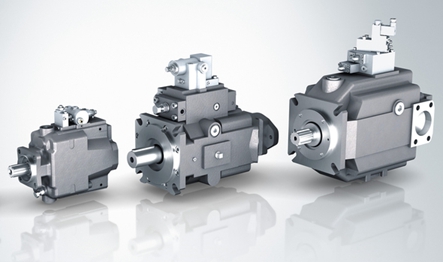
Hydraulic pumps are used in a wide variety of applications. They are used to pump fluids, mostly liquids and gases, but they can also be used to move solids if the application requires it.
They use rotary or reciprocating motion to produce a pressure or suction force that forces fluid through pipes, hoses, and other conduits.
Let’s read the article to know its different types.
-
Gear Pumps
You can use gear pumps to transport large volumes of oil at high pressures. They are commonly used in Hydraulic Pump Systems, but they’re also used in industrial applications and even as part of the powertrain on some cars.
Gear pumps work by using a gear mechanism to move fluid from one chamber to another. The gears are driven by an external motor that turns a shaft connected to them; this motion is then transferred through gears or other mechanisms (such as push rods) into rotation inside the pump housing itself, which causes fluid flow through ports in its housing walls.

-
Piston Pumps
Piston pumps are a popular choice for high-pressure applications. They work by pumping fluid through a piston, which compresses or expands to move the fluid through the system. This type of pump is ideal for Hydraulic Filters Suppliers Systems because they can handle large amounts of pressure with ease and have few moving parts that could break down over time.
-
Vane Pumps
Vane pumps are used to pump incompressible fluids, such as water and oil. They have a high-pressure capacity, high flow rate and low power consumption. They’re also used in industrial applications because they can transfer large amounts of material with little effort.
Vane pumps work by forcing fluid through a series of rotating vanes that push against each other as they turn at high speeds. The faster they spin, the greater amount available for pumping; this means vane pumps can handle both large volumes and high pressures without any problems!
-
Transmission Pumps
Transmission pumps are used to transfer fluids from one location to another. They are usually used in industrial applications, but can also be found in domestic settings. Transmission pumps can be categorised based on their design and usage.
-
Screw Pumps
These hydraulic pumps use a helical screw to move the fluid through the pump. The screw is turned by an external rotating part (such as a motor), which causes it to rotate and push the liquid out of its chamber; this results in a continuous flow of material being transferred through your system!
This type of mechanical transmission device is commonly found within many different industries including chemical processing plants or wastewater treatment facilities but they’re also frequently used by homeowners.
Conclusion
Hydraulic pumps are used in a wide variety of applications. The main difference between them is the type of fluid they can transport and their construction. Gear pumps, Piston pumps, Vane pumps, and Transmission pumps have different uses and offer their creditability to the applications.

